


Top Cooking Hacks for Busy Home Cooks: Streamlining Your Kitchen and Meal Prep
1. The Power of Mise en Place: Your Secret Weapon
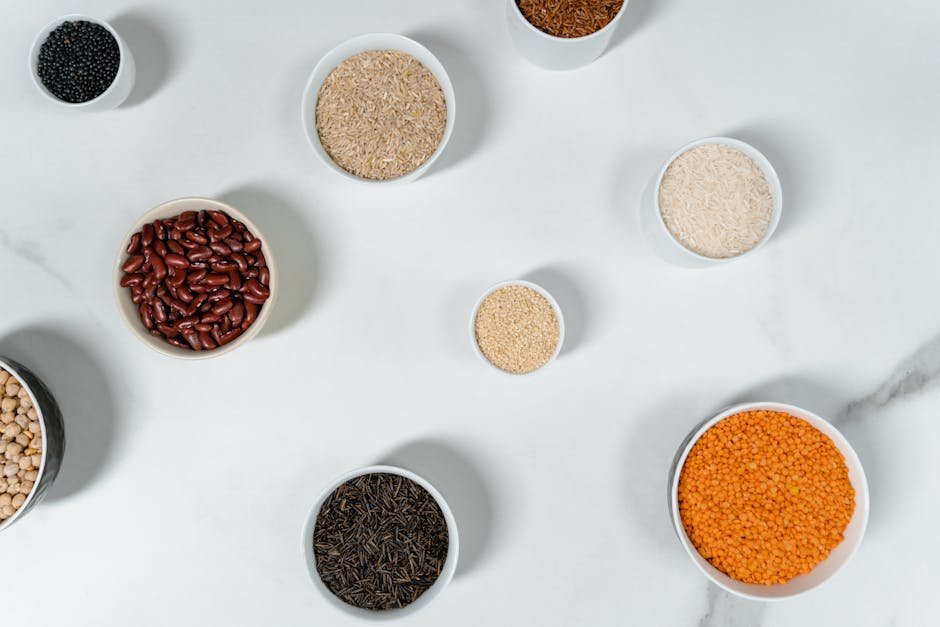
Mise en place, French for “everything in its place,” is not just a fancy culinary term; it’s the foundation of efficient cooking. Before you even think about turning on the stove, meticulously prepare all your ingredients. Chop vegetables, measure spices, portion out liquids, and have everything readily available in bowls or containers. This proactive approach eliminates frantic searching and measuring during cooking, preventing mistakes and saving significant time. For instance, if you’re making a stir-fry, pre-chop all your vegetables (onions, peppers, broccoli, carrots) and marinate your protein (chicken, tofu, shrimp) before you even start heating the wok. The active cooking time will be drastically reduced, resulting in a faster and more enjoyable meal preparation.
2. Batch Cooking: Your Weekly Time Saver
Dedicate a few hours on the weekend (or a day that works best for you) to batch cooking. Prepare large quantities of staple ingredients or entire meals that can be portioned and stored for the week. Roast a whole chicken and use the meat for sandwiches, salads, and tacos. Cook a large pot of grains like quinoa, rice, or farro to serve as the base for various bowls and side dishes. Prepare a big batch of soup or chili that can be easily reheated for quick lunches or dinners. The initial time investment pays off exponentially throughout the week, freeing up valuable time and reducing the temptation to order takeout. Freezing pre-cooked beans, lentils, and even cooked meat in portioned bags can also be a game-changer.
3. Leverage Your Freezer: Extend Food Freshness and Reduce Waste
The freezer is your best friend when it comes to preserving food and saving time. Freeze leftover sauces, soups, and stews in individual portions for easy single-serving meals. Freeze herbs in olive oil or water in ice cube trays for convenient flavor boosts. Freeze bread slices individually to prevent them from going stale. Blanch and freeze vegetables like broccoli, green beans, and corn for later use in soups, stir-fries, or side dishes. Freezing individual portions of cooked proteins, such as chicken breasts or ground beef, also provides ready-to-use ingredients for quick meals. Always label and date your freezer items to maintain freshness and avoid mystery meals.
4. One-Pan/Pot Wonders: Minimize Cleanup and Maximize Flavor
One-pan or one-pot recipes are a busy cook’s dream. They require minimal cleanup and allow all the flavors to meld together beautifully. Sheet pan dinners are particularly versatile: toss vegetables and protein (sausages, chicken thighs, fish fillets) with olive oil and spices, then roast them together on a single sheet pan. One-pot pasta dishes cook the pasta and sauce together in the same pot, reducing both cooking time and cleanup. Slow cookers and Instant Pots are also excellent tools for one-pot meals, allowing you to set it and forget it while you attend to other tasks. Consider dishes like paella, risotto, or even simple pasta bakes, all cooked in a single vessel.
5. Master Basic Knife Skills: Chop Like a Pro
Efficient knife skills are crucial for faster and safer food preparation. Invest in a good quality chef’s knife and learn the proper techniques for chopping, dicing, and mincing. Practice your knife skills regularly, and you’ll be surprised how quickly you can prepare vegetables and other ingredients. A sharp knife is also safer than a dull one, as it requires less force and reduces the risk of slipping. Learning how to properly hold the knife, use the claw grip to protect your fingers, and rock the blade efficiently will dramatically improve your chopping speed and accuracy.
6. Stock Up on Pantry Staples: Always Ready to Go
A well-stocked pantry is essential for quick and easy meals. Keep a supply of essential ingredients on hand, such as canned beans, lentils, tomatoes, pasta, rice, quinoa, olive oil, vinegar, spices, and condiments. Having these staples readily available means you can whip up a meal at a moment’s notice, even when you don’t have time to go to the grocery store. Consider keeping versatile sauces like soy sauce, Worcestershire sauce, hot sauce, and pesto in your pantry as well.
7. Embrace Pre-Cut and Pre-Washed Produce: Save Time and Effort
Don’t be afraid to take advantage of pre-cut and pre-washed produce from the grocery store. While it may be slightly more expensive, the time savings can be significant, especially on busy weeknights. Pre-cut vegetables, salad mixes, and even pre-cooked grains can be a lifesaver when you’re short on time. Look for options that are still fresh and high-quality, and be sure to use them within a reasonable timeframe. Pre-shredded cheese and pre-cooked rotisserie chicken are also fantastic time-savers.
8. Utilize Marinades: Infuse Flavor Quickly and Easily
Marinades are a fantastic way to add flavor to meats, poultry, and seafood without requiring hours of prep time. Prepare a simple marinade using ingredients like olive oil, vinegar, lemon juice, garlic, herbs, and spices, and marinate your protein for at least 30 minutes (or up to overnight). Marinating not only adds flavor but also helps to tenderize the protein, resulting in a more delicious and satisfying meal. For quick marinades, consider using store-bought options like teriyaki sauce, balsamic vinaigrette, or even a simple Italian dressing.
9. Embrace Leftovers: Transform Them into New Creations
Don’t let leftovers go to waste. Instead, get creative and transform them into new and exciting meals. Leftover roasted chicken can be used in salads, sandwiches, soups, or tacos. Leftover cooked vegetables can be added to frittatas, omelets, or stir-fries. Leftover rice can be used to make fried rice or rice bowls. Embrace the challenge of repurposing leftovers and you’ll not only save money but also reduce food waste.
10. Plan Your Meals: Avoid Last-Minute Scrambles
Meal planning is the key to efficient and stress-free cooking. Take some time each week to plan your meals for the upcoming days. Consider your schedule, your dietary needs, and the ingredients you already have on hand. Creating a meal plan not only helps you stay organized but also prevents last-minute scrambles to figure out what to cook for dinner. It also helps you make a more efficient grocery list, reducing impulse purchases and food waste. There are numerous meal planning apps and templates available online to help you get started.