


Kitchen Utensil Guide: Choosing Wisely in 2025
The culinary landscape in 2025 is a blend of sophisticated technology, a renewed focus on sustainability, and a desire for efficient, healthy cooking. Selecting the right kitchen utensils is no longer just about functionality; it’s about embracing materials that last, designs that enhance the cooking experience, and technologies that streamline meal preparation. This comprehensive guide explores the critical considerations for choosing kitchen utensils in the modern era, delving into materials, functionality, ergonomic design, and cutting-edge innovations.
Material Matters: Navigating the Landscape of Durability and Safety
The material of a utensil directly impacts its durability, safety, and suitability for various cooking tasks. Understanding the nuances of each option empowers informed decision-making.
-
Silicone: Silicone remains a popular choice due to its heat resistance (up to 450-600°F), non-reactivity, and gentleness on cookware surfaces. In 2025, advancements focus on medical-grade silicone formulations, ensuring even greater food safety and reduced leaching risks. Look for utensils explicitly labeled “BPA-free” and “Food Grade” certified by recognized organizations. Consider opting for reinforced silicone utensils with a steel core for enhanced strength and durability, especially in spatulas and whisks.
-
Stainless Steel: A timeless classic, stainless steel continues to be a mainstay in professional kitchens. Its non-reactive nature, durability, and resistance to rust and corrosion make it a reliable choice. Opt for 18/10 stainless steel (containing 18% chromium and 10% nickel) for superior quality and shine. Seamless construction, eliminating crevices where bacteria can accumulate, is a key feature to look for. The design should also consider handle ergonomics, favoring rounded edges and comfortable grips.
-
Wood: Wood utensils, especially those crafted from bamboo, olive wood, or sustainably harvested hardwoods, offer a natural aesthetic and are gentle on cookware. However, proper maintenance is crucial. Choosing utensils treated with food-safe mineral oil or beeswax helps prevent cracking and bacterial growth. Avoid soaking wooden utensils in water for extended periods and hand wash them after each use. In 2025, advancements in wood stabilization processes are emerging, offering increased durability and resistance to warping.
-
Nylon: Heat-resistant nylon utensils offer a cost-effective alternative to silicone. However, selecting high-quality, heat-resistant nylon is paramount to avoid melting or leaching of chemicals into food. Look for utensils labeled as heat resistant up to at least 400°F. While nylon is non-abrasive, it’s less durable than stainless steel or reinforced silicone.
-
Bioplastics: With sustainability at the forefront, bioplastics derived from renewable resources like cornstarch or sugarcane are gaining traction. While promising, their heat resistance and durability often lag behind traditional materials. Research the specific bioplastic used and its intended applications carefully before purchasing. Ensure the utensils are certified compostable and meet relevant safety standards.
Functionality First: Choosing the Right Tool for the Task
A well-equipped kitchen boasts a diverse collection of utensils, each designed for a specific purpose. Understanding the nuances of each utensil type ensures efficient and enjoyable cooking.
-
Spatulas: Beyond the standard turner, explore a variety of spatulas tailored to specific tasks. Silicone spatulas with angled heads are ideal for scraping bowls clean, while offset spatulas are perfect for frosting cakes and spreading fillings. Fish spatulas, with their thin, flexible design, make flipping delicate foods effortless.
-
Whisks: Choose a whisk based on the volume and consistency of the ingredients you’ll be working with. Balloon whisks are excellent for incorporating air into eggs and batters, while French whisks offer greater control and precision for sauces and emulsions. Flat whisks are designed for deglazing pans and stirring shallow liquids.
-
Tongs: Spring-loaded tongs offer superior control and grip. Look for tongs with silicone-tipped ends to protect non-stick cookware. Scissor tongs are ideal for serving salads and grabbing larger pieces of food.
-
Ladles: Choose a ladle size appropriate for the types of soups and sauces you typically prepare. Look for ladles with a pouring spout for mess-free serving.
-
Measuring Tools: Accurate measurements are critical for successful cooking and baking. Invest in a set of stainless steel measuring cups and spoons with clearly marked measurements. Digital scales offer even greater precision.
-
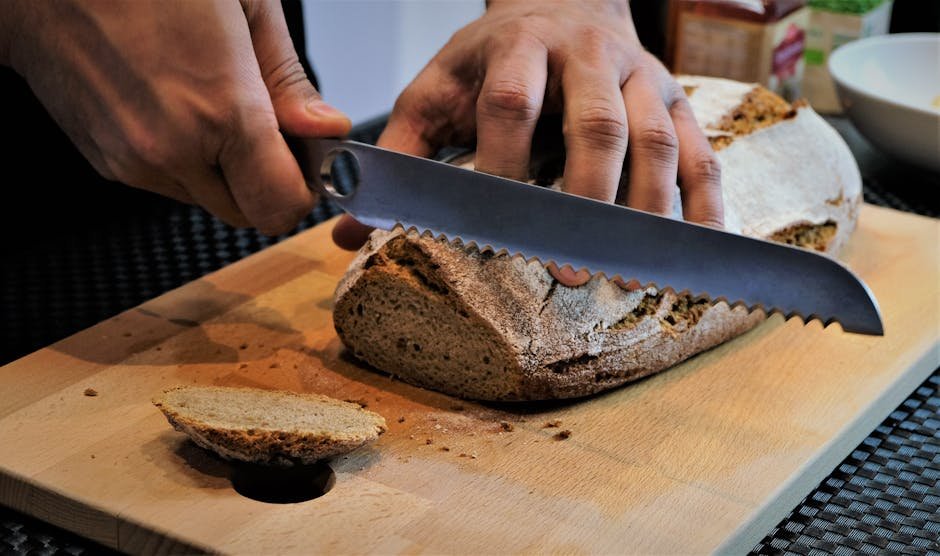
Knives: While technically cutlery, knives are essential kitchen utensils. Invest in a high-quality chef’s knife, paring knife, and serrated bread knife. Explore specialized knives like boning knives or fillet knives based on your culinary interests.
Ergonomic Design: Comfort and Control in the Kitchen
The design of a utensil significantly impacts its comfort and ease of use. Ergonomic designs minimize strain and fatigue, making cooking a more enjoyable experience.
-
Handle Shape and Material: Look for handles that fit comfortably in your hand and provide a secure grip, even when wet. Materials like soft-grip silicone or contoured wood offer enhanced comfort.
-
Weight and Balance: A well-balanced utensil feels natural and effortless to use. Consider the weight of the utensil in relation to the task it’s intended for.
-
Length and Reach: Choose utensils with appropriate lengths for the size of your cookware. Longer handles provide greater reach and prevent burns.
Technological Innovations: Smart Utensils for the Modern Cook
The integration of technology into kitchen utensils is transforming the culinary landscape.
-
Smart Thermometers: Bluetooth-enabled thermometers allow you to monitor the temperature of food remotely, ensuring perfectly cooked dishes every time.
-
Precision Scales: Digital scales with built-in timers and nutritional information provide precise measurements and streamline the cooking process.
-
Automated Stirrers: Robotic stirrers automate repetitive tasks, freeing up your time and ensuring even cooking.
Sustainability Considerations: Choosing Eco-Friendly Options
In 2025, sustainability is a key consideration when selecting kitchen utensils.
-
Choose Durable Materials: Invest in utensils made from durable materials like stainless steel or high-quality silicone that will last for years.
-
Opt for Sustainable Wood: Select utensils made from sustainably harvested wood or bamboo.
-
Consider Bioplastics: Explore bioplastic options, but ensure they are certified compostable and meet relevant safety standards.
-
Avoid Single-Use Plastics: Minimize the use of single-use plastic utensils and opt for reusable alternatives.
By considering these factors – material, functionality, ergonomic design, technological innovations, and sustainability – you can curate a collection of kitchen utensils that are both practical and aligned with your values, enhancing your cooking experience in 2025 and beyond.