

Mastering the Culinary Arts: Essential Cooking Techniques for Beginners in 2025
The world of cooking can seem daunting, a labyrinth of techniques and terminology. But fear not, aspiring chefs! In 2025, accessibility and innovation are making culinary mastery more attainable than ever. This guide breaks down fundamental cooking techniques every beginner should master, ensuring you build a solid foundation for a lifetime of delicious creations.
1. Knife Skills: The Foundation of Flavor
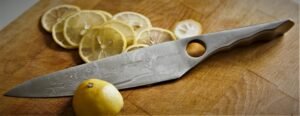
Before you even think about the heat, master the blade. Proper knife skills are paramount for safety, efficiency, and even flavor. Uniform cuts ensure even cooking, preventing some pieces from burning while others remain raw.
- Grip and Stance: Hold the knife with a pinch grip, thumb and index finger on the bolster (where the blade meets the handle), and the remaining fingers curled around the handle. Plant your feet shoulder-width apart, with your non-dominant foot slightly forward.
- Rock Chop: This is your go-to technique. Place the food on the cutting board, secure it with your non-dominant hand (claw grip), and use a rocking motion to slice. The tip of the knife remains on the board while the blade moves up and down.
- Dice: Start by creating even slices. Stack these slices and cut them into strips. Then, rotate the strips and dice them into uniform cubes. Common dice sizes include small (1/4 inch), medium (1/2 inch), and large (3/4 inch).
- Mincing: Similar to dicing, but smaller. Use a rocking motion with the tip of the knife on the board to finely chop ingredients like garlic and herbs.
- Julienne: Cut food into thin, matchstick-like strips. Ideal for stir-fries and garnishes.
- Brunoise: The smallest dice, typically 1/8 inch. Often used for garnishes and sauces.
2. Mastering Heat Control: The Key to Success
Understanding how heat impacts food is crucial. Different techniques require different temperatures to achieve optimal results.
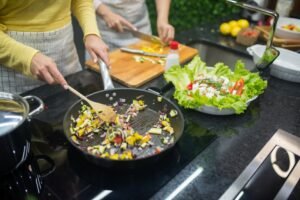
- Sautéing: Cooking food quickly in a small amount of fat over medium-high heat. The key is to avoid overcrowding the pan, which lowers the temperature and steams the food instead of browning it. Use a pan with a wide surface area and high sides to minimize splatter.
- Searing: Achieving a deep, flavorful crust on the surface of meat. Use high heat and a small amount of oil with a high smoke point (like avocado or grapeseed oil). Pat the meat dry before searing to ensure proper browning.
- Braising: A combination cooking method that involves searing the meat first, then simmering it in liquid for a long time. This technique is ideal for tough cuts of meat, as it breaks down the collagen and makes them tender.
- Roasting: Cooking food in a hot oven, typically uncovered. The dry heat browns the surface and caramelizes the sugars. Roast vegetables at higher temperatures for better browning and a crispy exterior.
- Simmering: Cooking food gently in liquid just below the boiling point. Simmering is ideal for sauces, soups, and stews, as it allows the flavors to meld together without overcooking the ingredients.
- Boiling: Cooking food in rapidly boiling water. Best for pasta, potatoes, and eggs. Be mindful of overcooking, as it can make food mushy.
3. The Art of Sauce Making: Elevating Every Dish
A well-made sauce can transform a simple dish into a culinary masterpiece. Mastering the basics of sauce making opens up a world of flavor possibilities.
- Basic Roux: A mixture of equal parts flour and fat (usually butter) used to thicken sauces. Cook the roux until it reaches the desired color (white, blonde, brown). The darker the roux, the nuttier the flavor and the less thickening power it has.
- Bechamel Sauce: A classic white sauce made with a roux, milk, and seasonings. The base for many other sauces, such as Mornay (with cheese) and Soubise (with onions).
- Velouté Sauce: Similar to béchamel, but made with white stock (chicken, fish, or veal) instead of milk.
- Espagnole Sauce: A brown sauce made with a dark roux, brown stock, and mirepoix (carrots, onions, and celery).
- Tomato Sauce: A versatile sauce made with tomatoes, onions, garlic, and herbs. Can be used as a base for pasta sauces, pizza sauces, and soups.
- Hollandaise Sauce: An emulsified sauce made with egg yolks, butter, and lemon juice. A classic accompaniment to eggs Benedict and asparagus. Requires careful temperature control to prevent curdling.
4. Egg-cellent Skills: Mastering the Versatile Egg
Eggs are a nutritional powerhouse and a staple in countless cuisines. Mastering different egg cooking techniques is essential for any beginner cook.
- Scrambled Eggs: Cooked in a pan with butter or oil, stirred constantly until soft and creamy. Don’t overcook them, or they will become dry and rubbery.
- Fried Eggs: Cooked in a pan with butter or oil. Can be cooked sunny-side up, over easy, over medium, or over hard, depending on the desired level of doneness.
- Poached Eggs: Cooked in simmering water without the shell. The trick is to create a whirlpool in the water before adding the egg to help it form a neat shape.
- Omelets: Cooked in a pan with butter or oil, filled with various ingredients, and folded in half.
- Hard-boiled Eggs: Cooked in boiling water until the yolk is firm. Cool them in ice water to prevent a green ring from forming around the yolk.
5. Baking Basics: From Bread to Cakes
Baking requires precision and attention to detail, but the rewards are well worth the effort.
- Measuring Accurately: Use measuring cups and spoons specifically designed for baking. Weighing ingredients is even more accurate, especially for flour.
- Understanding Gluten: Gluten is a protein found in wheat flour that gives baked goods their structure. Overmixing dough develops too much gluten, resulting in tough baked goods.
- Activating Yeast: Yeast is a leavening agent that makes bread rise. Activate it by dissolving it in warm water with a little sugar.
- Kneading Dough: Kneading develops the gluten in the dough, creating a smooth and elastic texture.
- Proofing Dough: Allowing the dough to rise in a warm place. This allows the yeast to produce carbon dioxide, which makes the dough expand.
6. Beyond the Basics: Embracing Future Trends
As we move further into 2025, several culinary trends are shaping the way we cook and eat.
- Sous Vide: A cooking technique that involves immersing food in a temperature-controlled water bath. This allows for precise cooking and consistent results. Affordable and user-friendly sous vide devices are becoming increasingly accessible.
- Air Frying: A popular alternative to deep frying that uses hot air to cook food with minimal oil. Great for achieving crispy results with less fat.
- Plant-Based Cooking: A growing trend that focuses on using plant-based ingredients instead of animal products. Experiment with different types of beans, lentils, tofu, and tempeh.
- Fermentation: An ancient technique that involves using microorganisms to transform food. Fermented foods are rich in probiotics and have a unique flavor profile. Try making your own sauerkraut, kimchi, or kombucha.
- Sustainable Cooking: Focusing on reducing food waste, using locally sourced ingredients, and supporting sustainable farming practices.
By mastering these essential cooking techniques and embracing the latest trends, you’ll be well on your way to becoming a confident and creative cook in 2025 and beyond. Remember to practice, experiment, and most importantly, have fun! The culinary world is your oyster.