

Headline: Master Low-Oil Cooking: Expert Tips for Healthier, Flavorful Meals
Section 1: Understanding the Benefits and Challenges of Low-Oil Cooking
Cooking with minimal oil offers a plethora of health benefits. Reducing oil intake significantly lowers your consumption of saturated and trans fats, contributing to improved cardiovascular health, weight management, and reduced risk of chronic diseases. However, minimizing oil requires adjustments to traditional cooking techniques to prevent food from sticking, drying out, or losing flavor. This section delves into the rationale behind low-oil cooking and highlights the common hurdles faced by beginners. We’ll debunk myths surrounding flavor loss and demonstrate how to achieve delicious results without relying heavily on oil.
Section 2: Essential Kitchen Tools for Low-Oil Success
Having the right equipment is paramount for effective low-oil cooking.
- Non-Stick Cookware: Invest in high-quality non-stick pans and pots. Look for PFOA-free options with durable coatings for longevity. Ceramic and Teflon-coated cookware are excellent choices. Properly caring for your non-stick cookware, including avoiding metal utensils and abrasive cleaners, will extend its lifespan.
- Silicone Utensils: These are gentle on non-stick surfaces, preventing scratches and preserving the coating’s integrity. Choose heat-resistant silicone to avoid melting at high temperatures. Spatulas, turners, and whisks made from silicone are essential tools.
- Spray Bottles: Fill a spray bottle with a small amount of high-quality olive oil, avocado oil, or even water. This allows for precise and even distribution of oil, minimizing overall consumption.
- Steamer Baskets: Steamers are invaluable for cooking vegetables, fish, and even certain meats without any added oil. They preserve nutrients and create tender, flavorful results. Bamboo steamers and stainless steel steamers are both viable options.
- Air Fryer: An air fryer circulates hot air to cook food, mimicking the effects of deep frying with minimal to no oil. It’s perfect for achieving crispy textures in foods like fries, chicken wings, and vegetables.
- Parchment Paper & Silicone Baking Mats: These prevent food from sticking to baking sheets and pans, eliminating the need for oil during baking. They are particularly useful for cookies, breads, and roasted vegetables.
Section 3: Mastering Low-Oil Cooking Techniques
Several cooking techniques are naturally conducive to low-oil preparation.
- Steaming: As mentioned earlier, steaming is a superb method for cooking vegetables, fish, and poultry. It preserves nutrients and moisture, resulting in tender and flavorful dishes. Experiment with adding herbs and spices to the steaming water to infuse extra flavor.
- Boiling and Poaching: These techniques are ideal for cooking eggs, pasta, and certain vegetables. Boiling simply involves submerging food in simmering water, while poaching uses a lower temperature to cook delicate items gently.
- Grilling: Grilling can be done with minimal oil by ensuring the grill grates are clean and lightly oiled using a spray bottle. Marinating meats and vegetables prior to grilling helps prevent them from drying out.
- Baking: Use parchment paper or silicone baking mats to prevent sticking. When baking cakes or muffins, consider using applesauce, yogurt, or mashed bananas as oil substitutes to add moisture and flavor.
- Air Frying: Air frying replicates the crispness of deep-fried foods using hot air circulation. A light spritz of oil is often sufficient for achieving desired results. Experiment with different seasonings and marinades to enhance flavor.
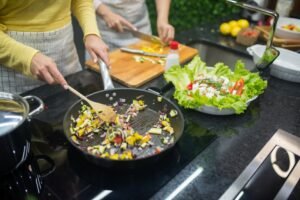
- Sautéing and Stir-Frying (with Broth or Water): Instead of relying solely on oil, use small amounts of broth, water, or even vegetable juice to prevent sticking during sautéing and stir-frying. Add liquids frequently to maintain moisture. High heat and constant stirring are crucial.
- Roasting (with Minimal Spritz): Roasting vegetables and meats can be achieved with a light spritz of oil using a spray bottle. Toss vegetables with herbs and spices before roasting to maximize flavor. Ensure the oven is preheated to the correct temperature for even cooking.
Section 4: Oil Substitutes and Flavor Enhancers
Reducing oil doesn’t mean sacrificing flavor. Explore these oil substitutes and flavor boosters:
- Applesauce: Unsweetened applesauce adds moisture and sweetness to baked goods, reducing the need for oil.
- Yogurt (Greek or Plain): Yogurt is a versatile ingredient that can replace oil in cakes, muffins, and even sauces. It adds moisture and a subtle tang.
- Mashed Banana: Ripe mashed bananas provide sweetness and moisture, making them an excellent oil substitute in breads and muffins.
- Pureed Pumpkin or Sweet Potato: These purees add moisture, nutrients, and a subtle sweetness to baked goods.
- Avocado Puree: Avocado puree can replace oil in certain recipes, adding healthy fats and a creamy texture.
- Spices and Herbs: Experiment with a wide variety of spices and herbs to enhance the flavor of your dishes. Garlic powder, onion powder, paprika, chili powder, oregano, basil, and rosemary are just a few examples.
- Vinegar and Citrus Juices: A splash of vinegar or citrus juice can add brightness and acidity to sauces, marinades, and dressings, reducing the need for oil.
- Broth and Wine: These liquids can be used to deglaze pans and create flavorful sauces without adding oil.
Section 5: Specific Recipe Adaptations for Low-Oil Cooking
This section provides practical examples of how to adapt common recipes for low-oil cooking.
- Salad Dressings: Replace traditional oil-based dressings with vinaigrettes made with vinegar, citrus juice, herbs, and a touch of mustard.
- Stir-Fries: Use vegetable broth or water instead of oil for stir-frying. Add a touch of sesame oil at the end for flavor.
- Roasted Vegetables: Toss vegetables with herbs, spices, and a light spritz of oil before roasting.
- Baked Goods: Substitute applesauce, yogurt, or mashed banana for oil in cakes, muffins, and breads.
- Pan-Seared Meats: Use a non-stick pan and sear meats over medium-high heat, using a small amount of broth or water to prevent sticking. Pat the meat dry before searing to ensure proper browning.
- Omelets and Scrambled Eggs: Cook eggs in a non-stick pan with a light spray of cooking spray or a small amount of water.
- Pasta Sauces: Use a small amount of oil to sauté vegetables and then add tomato sauce, herbs, and spices. Simmer until the flavors meld.
Section 6: Common Mistakes to Avoid and Troubleshooting
- Using Too Little Liquid: Ensure sufficient moisture is present when sautéing or stir-frying with minimal oil. Add broth or water as needed to prevent sticking.
- Overcrowding the Pan: Overcrowding lowers the pan temperature and prevents food from browning properly. Cook in batches if necessary.
- Not Preheating the Pan: A hot pan is essential for preventing food from sticking.
- Using High Heat: High heat can cause food to burn quickly, especially when using minimal oil. Use medium-high heat and adjust as needed.
- Neglecting to Season Properly: Season food generously with herbs, spices, and salt to compensate for the reduced oil content.
- Ignoring Doneness Cues: Pay close attention to visual and textural cues to determine when food is cooked through.
- Skipping Marinades: Marinades add moisture and flavor, helping to prevent food from drying out during cooking.
Section 7: Low-Oil Cooking for Different Dietary Needs
Adapting low-oil cooking to various dietary requirements, like vegan, vegetarian, gluten-free, and dairy-free diets, is easily achievable. Focus on using plant-based oil substitutes, gluten-free flour alternatives, and dairy-free milk alternatives to create delicious and healthy meals that align with specific dietary needs. For vegan recipes, experiment with tofu scrambles using vegetable broth instead of oil or create creamy sauces with blended cashews or white beans. Gluten-free baking can utilize almond flour, coconut flour, or a gluten-free flour blend to create oil-reduced versions of your favorite baked goods. Dairy-free substitutes like almond milk, soy milk, or coconut milk can be seamlessly incorporated into sauces, soups, and baked goods without compromising flavor or texture.
Section 8: Staying Motivated on Your Low-Oil Cooking Journey
Maintaining a low-oil cooking lifestyle requires commitment and consistency. Set realistic goals, experiment with new recipes, and celebrate small victories. Surround yourself with a supportive community and continue learning about healthy cooking techniques. Track your progress and identify areas for improvement. Remember that every small change contributes to a healthier and more sustainable lifestyle. Focus on the long-term benefits and enjoy the delicious and flavorful meals you create along the way. Consider joining online cooking communities, following food bloggers specializing in low-oil recipes, and attending cooking classes to expand your knowledge and find inspiration.