


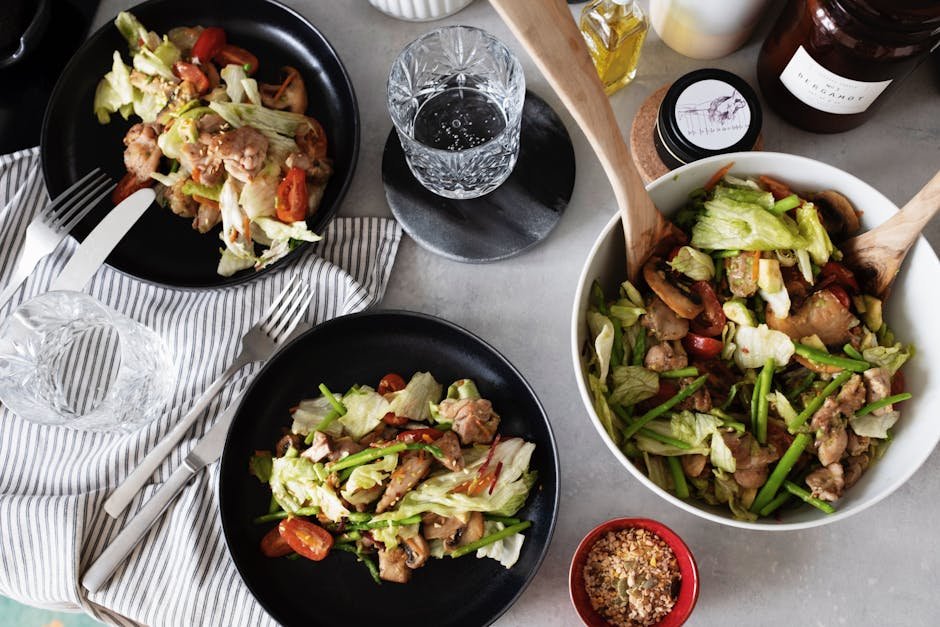
1. Master the Art of Meal Planning: Your Gateway to Healthy Eating
Meal planning is the cornerstone of consistent healthy eating. Take an hour each week to map out your meals. This involves considering your schedule, dietary needs, and available ingredients. Start by brainstorming a list of healthy meals you enjoy. Then, check your pantry and refrigerator to see what you already have. Create a shopping list based on what you need to complete your planned meals. Use online resources and recipe websites to discover new healthy recipes and adapt them to your preferences. Don’t forget to plan for leftovers; they can be repurposed for lunch or another dinner. Batch cooking elements like grains, roasted vegetables, or grilled chicken ahead of time can significantly streamline weeknight cooking. Consider theme nights like “Meatless Monday” or “Taco Tuesday” to simplify decision-making.
2. Stock Your Pantry with Healthy Staples: The Foundation for Success
A well-stocked pantry is essential for quick and healthy meal preparation. Focus on stocking up on whole grains like quinoa, brown rice, oats, and whole-wheat pasta. Canned beans and lentils are excellent sources of protein and fiber. Nuts and seeds provide healthy fats and essential nutrients. Canned tomatoes, tomato paste, and other canned vegetables are versatile and convenient. Healthy oils like olive oil and avocado oil are crucial for cooking and dressings. Spices and herbs are essential for adding flavor without adding extra calories or unhealthy fats. Dried fruits are a healthy snack option. Consider keeping shelf-stable tofu on hand for a quick and easy protein source. Regularly check your pantry for expired items and restock as needed.
3. Embrace the Power of Batch Cooking: Save Time and Eat Healthier
Batch cooking involves preparing large quantities of food in advance and storing them for later use. This strategy is particularly helpful for busy individuals who struggle to find time to cook during the week. Focus on cooking items that are versatile and can be used in multiple meals. For example, roast a large batch of vegetables like broccoli, sweet potatoes, and Brussels sprouts. Cook a pot of quinoa or brown rice. Grill or bake chicken breasts or tofu. Once cooked, portion the food into containers and store them in the refrigerator or freezer. This allows you to quickly assemble healthy meals by combining pre-cooked ingredients. Batch cooking also helps reduce food waste by ensuring that you use ingredients before they spoil.
4. Conquer Healthy Snacking: Curb Cravings and Boost Energy
Snacking can be a healthy way to maintain energy levels and prevent overeating at meals, but only if done right. Avoid processed snacks high in sugar, unhealthy fats, and sodium. Instead, focus on nutrient-dense options. Fresh fruits and vegetables are excellent choices. A handful of nuts or seeds provides healthy fats and protein. Greek yogurt is a good source of protein and calcium. Hard-boiled eggs are a quick and easy protein-rich snack. Hummus and whole-wheat pita bread offer fiber and protein. Prepare healthy snacks in advance and store them in portable containers so you can easily grab them when hunger strikes. Be mindful of portion sizes to avoid overeating.
5. Prioritize Whole Foods: The Building Blocks of a Healthy Diet
Whole foods are unprocessed or minimally processed foods in their natural state. These foods are packed with nutrients and fiber, making them essential for a healthy diet. Focus on incorporating a variety of fruits, vegetables, whole grains, lean proteins, and healthy fats into your meals. Avoid processed foods that are high in sugar, unhealthy fats, and sodium. When shopping, spend most of your time in the perimeter of the grocery store, where whole foods are typically located. Read food labels carefully and choose products with minimal ingredients and no added sugar or unhealthy fats.
6. Learn to Love Your Leftovers: Reduce Waste and Simplify Meals
Leftovers are a valuable resource for quick and easy healthy meals. Instead of throwing away uneaten food, plan to repurpose it for lunch or another dinner. Get creative with leftovers and transform them into new dishes. For example, leftover roasted chicken can be used in salads, sandwiches, or tacos. Leftover cooked vegetables can be added to soups, omelets, or frittatas. Store leftovers in airtight containers in the refrigerator and consume them within a few days. Freezing leftovers is a great way to extend their shelf life.
7. Master Basic Cooking Techniques: Expand Your Culinary Repertoire
Knowing basic cooking techniques can significantly improve your ability to prepare healthy meals. Learn how to roast vegetables, grill chicken or fish, sauté vegetables, and cook grains. These techniques are relatively simple and can be used to create a wide variety of dishes. Take a cooking class or watch online tutorials to learn new techniques. Practice makes perfect, so don’t be afraid to experiment in the kitchen.
8. Read Food Labels Like a Pro: Make Informed Choices
Understanding food labels is crucial for making informed food choices. Pay attention to the serving size, calories, fat content, sodium content, sugar content, and fiber content. Look for foods that are low in saturated and trans fats, sodium, and added sugar. Choose foods that are high in fiber, vitamins, and minerals. Be aware of hidden sugars, such as high-fructose corn syrup, dextrose, and sucrose. Compare food labels of different products to choose the healthiest option.
9. Embrace Healthy Fats: Nourish Your Body and Brain
Not all fats are created equal. Healthy fats, such as monounsaturated and polyunsaturated fats, are essential for good health. They support brain function, hormone production, and nutrient absorption. Sources of healthy fats include avocados, nuts, seeds, olive oil, and fatty fish like salmon. Limit your intake of saturated and trans fats, which are found in processed foods, red meat, and dairy products.
10. Stay Hydrated: Drink Plenty of Water Throughout the Day
Water is essential for good health. It helps regulate body temperature, transport nutrients, and flush out toxins. Aim to drink at least eight glasses of water per day. You can also get water from other sources, such as fruits, vegetables, and soups. Avoid sugary drinks like soda and juice, which are high in calories and offer little nutritional value.
11. Use Herbs and Spices Generously: Flavor Without the Calories
Herbs and spices are a great way to add flavor to your meals without adding extra calories or unhealthy fats. Experiment with different herbs and spices to find your favorites. Use fresh herbs whenever possible for the best flavor. Dried herbs and spices can also be used, but they tend to be more potent.
12. Control Portion Sizes: Avoid Overeating
Portion control is essential for maintaining a healthy weight. Use smaller plates and bowls to help you control your portion sizes. Be mindful of your hunger and fullness cues. Eat slowly and savor your food. Avoid eating directly from the bag or container, which can lead to overeating.
13. Limit Processed Foods: Focus on Whole, Unprocessed Foods
Processed foods are often high in sugar, unhealthy fats, and sodium. They also tend to be low in nutrients. Limit your intake of processed foods and focus on eating whole, unprocessed foods as much as possible.
14. Plan Your Plate: The Perfect Ratio for a Balanced Meal
Visualize your plate as divided into three sections: half filled with non-starchy vegetables, one quarter with lean protein, and one quarter with whole grains or starchy vegetables. This ensures you are getting a balanced meal with adequate nutrients.
15. Grow Your Own Food: Fresh, Healthy, and Rewarding
Even a small herb garden or a few tomato plants can provide you with fresh, healthy ingredients. Growing your own food is also a rewarding experience and can encourage you to eat more vegetables.
16. Make Smoothies a Regular Thing: Quick, Nutritious, and Customizable
Smoothies are a convenient and healthy way to get a boost of fruits, vegetables, and protein. Experiment with different combinations to find your favorite recipes. Use unsweetened almond milk or water as a base.
17. Shop the Farmers Market: Fresh, Local, and Seasonal Produce
Farmers markets offer a wide variety of fresh, local, and seasonal produce. Shopping at the farmers market supports local farmers and provides you with the opportunity to buy high-quality, nutritious foods.
18. Cook at Home More Often: Save Money and Improve Your Health
Eating out can be expensive and unhealthy. Cooking at home allows you to control the ingredients and portion sizes, leading to healthier and more affordable meals.
19. Be Mindful of Your Eating Habits: Pay Attention to Your Body
Pay attention to your hunger and fullness cues. Eat slowly and savor your food. Avoid distractions while eating, such as watching television or using your phone.
20. Make Gradual Changes: Don’t Overhaul Everything at Once
Making gradual changes to your diet is more sustainable than making drastic changes all at once. Start by making small changes, such as adding more vegetables to your meals or swapping sugary drinks for water. As you become more comfortable, you can gradually make more changes.